Nutrition
Intermittent Fasting and Gut Health: What the Science Says
Dr. Emily Rodriguez
March 10, 2024
7 min read
Intermittent Fasting and Gut Health: What the Science Says
Intermittent fasting (IF) has emerged as a popular dietary approach with potential benefits for digestive health. This article explores the current scientific understanding of how IF affects your gut.
Understanding Intermittent Fasting
Common IF Protocols
-
16:8 Method
- 16-hour fasting window
- 8-hour eating window
- Most popular and sustainable approach
-
5:2 Diet
- 5 days of normal eating
- 2 non-consecutive days of reduced calories (500-600)
-
Eat-Stop-Eat
- 24-hour fasts 1-2 times per week
- More challenging but effective
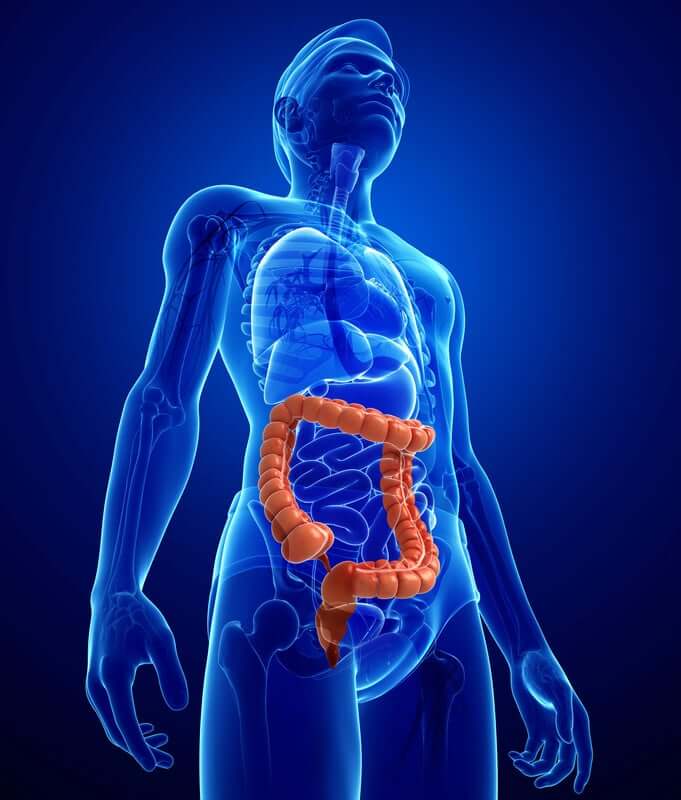
The Gut Health Connection
How Fasting Affects Your Gut
-
Gut Rest and Repair
- Allows intestinal lining to regenerate
- Reduces inflammation in the digestive tract
- May improve gut barrier function
-
Microbiome Changes
- Increases microbial diversity
- Promotes growth of beneficial bacteria
- Reduces harmful bacteria
-
Digestive Benefits
- May improve IBS symptoms
- Reduces bloating and discomfort
- Enhances nutrient absorption
Scientific Evidence
Key Research Findings
- A 2021 study in Cell Metabolism found IF improved gut microbiome diversity
- Research in Nutrients showed reduced inflammation markers with IF
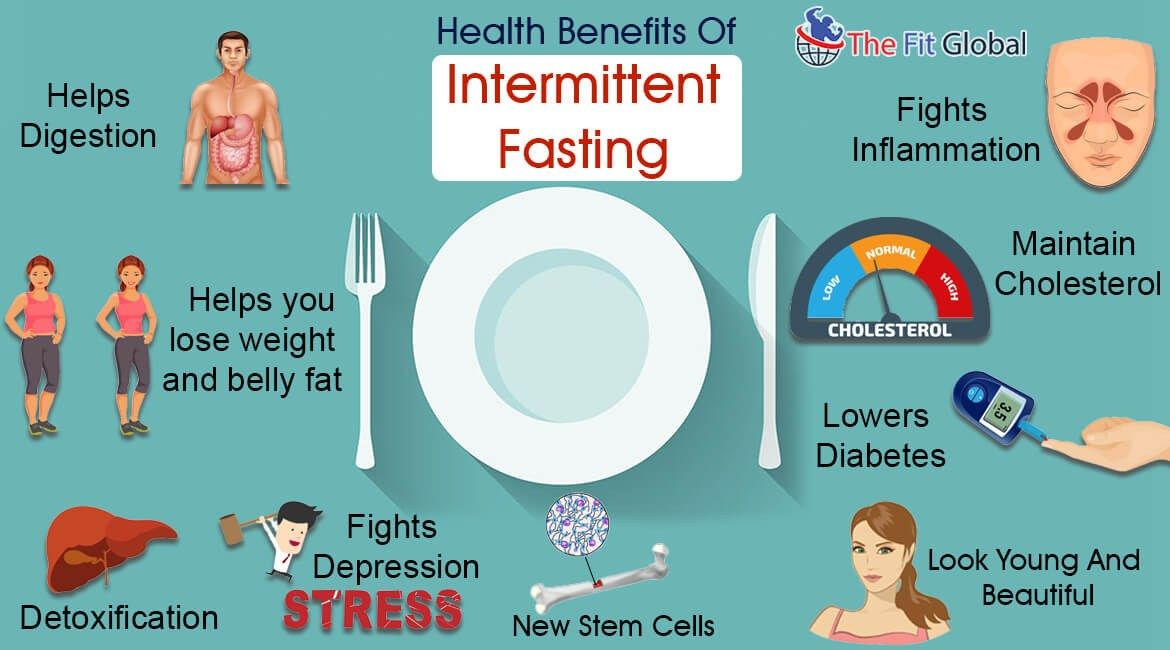
- Studies suggest IF may help with weight management and metabolic health
Potential Benefits
-
For Digestive Health
- Reduced bloating and gas
- Improved bowel regularity
- Better digestion and nutrient absorption
-
Whole-Body Benefits
- Weight management
- Improved blood sugar control
- Enhanced brain function
- Reduced inflammation
Safety and Considerations
Who Should Be Cautious
- Individuals with diabetes on medication
- Those with a history of eating disorders
- Pregnant or breastfeeding women
- People with certain medical conditions
Common Side Effects
- Initial hunger and irritability
- Headaches during adaptation
- Digestive changes
- Sleep disturbances
Getting Started with IF
Step-by-Step Guide
- Choose Your Method: Start with 12:12 if new to fasting
- Stay Hydrated: Drink plenty of water and herbal teas
- Eat Nutrient-Dense Foods: Focus on quality during eating windows
- Listen to Your Body: Adjust as needed
- Be Patient: It takes time to adapt
When to Consult a Professional
Before starting IF, talk to your doctor if you have:
- Diabetes or blood sugar issues
- A history of eating disorders
- Chronic health conditions
- Concerns about medication timing
Conclusion
Intermittent fasting shows promise for improving gut health and overall well-being, but it's not a one-size-fits-all solution. The most effective approach is one that's sustainable and tailored to your individual needs and lifestyle.
Tags:
intermittent fastinggut healthnutrition